
5 Signs Your Refrigerator Compressor is Failing in Decatur, GA
Local Service Notice:Decatur Solution Works provides residential appliance repair strictly in Decatur, DeKalb County, and surrounding Metro Atlanta communities. We do not dispatch outside our Georgia service footprint.
Is your fridge acting up? Discover the top signs of a failing refrigerator compressor and when to call in the experts.
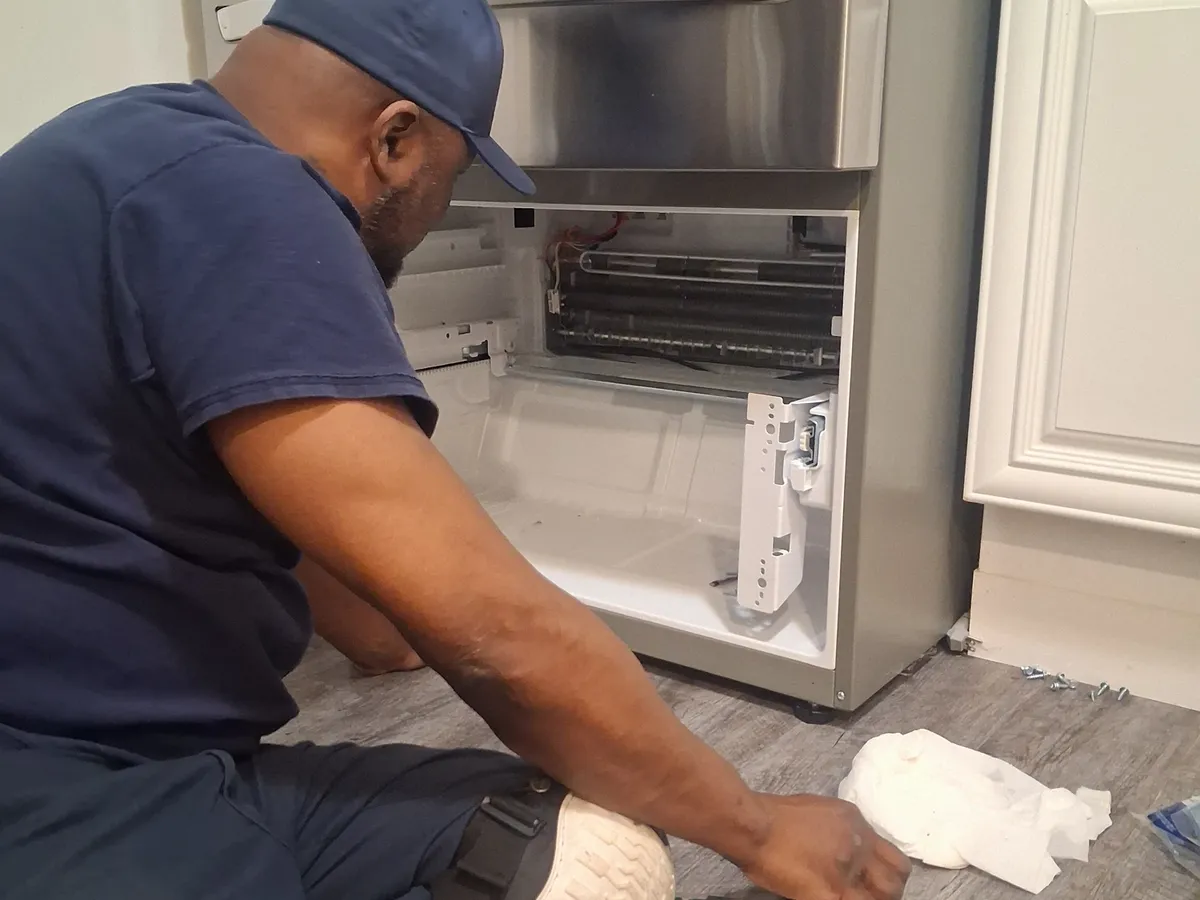
Your refrigerator plays a crucial role in preserving your food, but what happens when its compressor starts to fail? Understanding the warning signs can save you from spoiled groceries and costly repairs. Here are five signs you should watch for:
Servicing homeowners throughout Decatur, Tucker, Stone Mountain, Lithonia, Ellenwood, and Stockbridge. Every visit starts with a $89 diagnostic fee, credited toward your repair, backed by an EPA 608 Certified technician and a 1-year parts & labor warranty (one year on OEM parts).
1. Food is Spoiling Too Quickly
If you’re finding that your fruits, vegetables, and leftovers are spoiling much faster than they used to, the compressor may not be cooling properly. This can be due to a malfunctioning compressor or possibly a buildup of dirt and grime.What to Do:
- Check the temperature settings to ensure they are correct.
- Clear any debris around the compressor.
2. Unusual Noises Coming From the Fridge
Is your refrigerator making odd noises like clicking, buzzing, or knocking? A failing compressor is often the culprit of these annoying sounds. The compressor should run quietly, and these unusual sounds may indicate internal issues.What to Do:
- Listen closely to identify where the noise is coming from.
- Ensure that the fridge is level and that nothing is rattling against it.
3. Warm Air Inside the Fridge
This one’s pretty obvious: if you touch the shelves and don’t feel any cool air, your compressor could be failing. The compressor is responsible for circulating refrigerant, which cools the fridge. If it’s not functioning, warm air will replace the cool air.What to Do:
- Check if the vents inside are blocked by food items.
- Clean the condenser coils to promote better airflow.
4. Frequent Cycling On and Off
Your refrigerator should cycle on and off as needed, but if it’s constantly doing this within short intervals, it could signal a failing compressor. This phenomenon can strain the appliance, leading to even more problems down the road.What to Do:
- Make sure the door seals are intact and not allowing warm air inside.
- Keep the fridge at a recommended temperature of 37°F.
5. Increased Energy Bills
Have you noticed a spike in your electricity bills? A failing compressor can lead to inefficient performance, making your refrigerator work harder and use more energy. This not only impacts your wallet but can also lead to further breakdowns if not addressed.What to Do:
- Compare recent bills to previous months to track the increase.
- Make sure your refrigerator is not placed near a heat source, such as an oven or direct sunlight.
5 Signs Your Refrigerator Compressor Is Failing
Your refrigerator plays a vital role in your home, ensuring that your food stays fresh and safe to eat. One of the most critical components of a refrigerator is the compressor. If the compressor is failing, it can lead to food spoilage and energy wastage. Here are five signs that your refrigerator compressor may be on the verge of failure.
1. Inconsistent Temperatures
If you notice that your refrigerator is not keeping a consistent temperature, this could be a sign of a compressor issue. Use a thermometer to check the temperature inside your fridge. The ideal temperature should be around 37°F (3°C). If you find that the temperature fluctuates or rises above this level, the compressor might be struggling to keep up.Troubleshooting Tip: Check the air vents inside the fridge to ensure they are not blocked by food or debris. Also, remove any frost buildup in the freezer that could be affecting airflow. If the problem persists, it might be time to consult a professional.
2. Frequent Cycling On and Off
Refrigerators are designed to cycle on and off to maintain the appropriate temperature. However, if you notice that your refrigerator is cycling on more frequently than usual, it could indicate compressor failure.Troubleshooting Tip: Make sure the doors close tightly. If they are not sealing properly, it can cause the compressor to work overtime. A simple way to check is to place a dollar bill in the door; if you can pull it out easily, the door might not be sealing well.
3. Noisy Operation
Are you hearing strange noises coming from your refrigerator? While it’s normal for a fridge to make some sounds, loud or unusual noises could signify an issue with the compressor. If you hear loud humming, buzzing, or clicking noises, your compressor may be struggling.Troubleshooting Tip: Listen closely to see if the sounds stop intermittently. If they continue and seem to worsen, it’s best to reach out to a professional for assistance before more significant issues arise.
4. Overheating
The compressor generates heat during operation, but if it feels excessively hot to the touch, this could indicate a problem.Troubleshooting Tip: Ensure there is proper ventilation around the refrigerator. If it’s crammed into a tight space or the coils are dirty, it can cause the compressor to overheat. If cleaning the coils and giving your fridge space doesn’t help, contact a qualified technician to diagnose the issue.
5. Increase in Energy Bills
If you’ve noticed a sudden spike in your electricity bills without an increase in usage, your refrigerator might be working harder than it should. A failing compressor can cause the unit to consume more energy.Troubleshooting Tip: Check for any drafts or air leaks around the fridge’s seals. Replacing damaged seals can improve efficiency and may reduce your bills. If energy consumption remains high, it may be indicative of a compressor issue.
4. Frost Buildup
While some frost in the freezer is normal, excessive frost buildup on the evaporator coils can indicate compressor issues.What to Do:
- Inspect the coils for frost accumulation.
- Ensure the door seals are tight and that you’re not leaving the door open too long.
- If you notice excessive frost, it’s best to call a professional.
1. Your Refrigerator is Not Cooling Properly
One of the most obvious signs of a compressor issue is that your refrigerator isn’t keeping your food cold. If you notice that food is starting to spoil or drinks aren’t staying chilly, it could indicate a compressor that’s failing to circulate refrigerant.
Troubleshooting Steps:
- Check the thermostat: Make sure it’s set to the correct temperature.
- Inspect the door seals: Ensure they’re tight and not letting cold air escape.
- Take a temperature reading: The ideal refrigerator temperature should be between 35°F and 38°F.
4. Excessive Heat
Feel around the back or bottom of your refrigerator. Is it unusually hot? A failing compressor can generate excess heat as it struggles to perform its duties. If you find that the area around your appliance is warmer than usual, it may mean the compressor is overworking. Tip: Ensure there is enough airflow around the appliance, and clean any dust or debris off the coils to help improve ventilation. If this doesn’t solve the issue, consider reaching out for a repair service.When to Call a Professional
While some troubleshooting can be done at home, it’s essential to recognize when the problem is beyond a simple fix. If you notice any of the above signs persisting or worsening, it’s time to call in the professionals. At Decatur Solution Works, we specialize in same-day appliance repair for residents of Decatur, Stone Mountain, Lithonia, Tucker, Conyers, and the entire DeKalb County area. Just give us a call at 678-525-0474 for quick and reliable service.Final Thoughts
Your refrigerator is a crucial appliance in your home, and keeping it in top shape is vital for preserving your food and savings. By being alert to the signs of a failing compressor, you can take action before it leads to complete breakdown. Don’t hesitate to reach out to our team if you need any assistance—your satisfaction is our priority!Why Decatur, Tucker & Stone Mountain Homeowners Call Us First
Our dispatch hub sits in Decatur (ZIPs 30030, 30032, 30033, 30034, 30035), so a technician is usually minutes from your door anywhere in DeKalb County. Trucks are stocked for Samsung, LG, Whirlpool and GE repairs, which is why most calls in Decatur, Tucker and Stone Mountain are finished in a single visit.
Same-Day Appliance Repair in Lithonia, Ellenwood & Stockbridge
Book before noon and we can typically reach Lithonia, Ellenwood and Stockbridge the same day. Every repair is handled by an EPA 608 Certified technician and covered by our 1-year parts & labor warranty (one year on OEM parts) — Georgia and Metro Atlanta only, no out-of-state dispatch.
Book appliance repair near you:Decatur, GATucker, GAStone Mountain, GALithonia, GAEllenwood, GAStockbridge, GA
Keep Reading